

What Is This Workbook?
Alone Behind the Screen is a clinically informed workbook for adults who want to understand and change problematic pornography use. Its 14 modules are organized into four phases that move from honest assessment to practical change and continuity. You can work through it independently or use it alongside therapy, bringing your observations, questions, and completed exercises into clinical conversations.
The workbook does not define you by the behavior or reduce the problem to a lack of discipline. It offers a structured way to examine what is happening, what the pattern is costing you, and where a different response can begin.
More Than a Willpower Problem
Pornography use can become connected with stress, boredom, loneliness, habit, easy access, and the wish for immediate relief. Repetition can make the sequence feel automatic: vulnerability builds, a cue appears, the urge intensifies, and short-term relief is followed by consequences that may strengthen the cycle.
This workbook helps you look underneath the behavior without excusing it. You will examine the function pornography has served, distinguish intention from automaticity, notice the thoughts and routines that maintain the pattern, and identify needs that require a more workable response.
How Does the Workbook Work?
Each module combines accessible psychoeducation with guided reflection and structured exercises. You will document concrete effects, clarify your reasons for change, map the full pornography cycle, identify internal and external cues, and observe how relief and repetition reinforce learning.
Later exercises focus on changing digital access and opportunity, working with urges without immediately acting on them, interrupting automatic behavior, and building realistic alternatives. The closing modules help you respond to a lapse with useful information rather than collapse, then develop a personal 90-day plan with supports, warning signs, and review points.
What Does the Process Look Like?
- Seeing the Problem Clearly: recognize the pattern, its consequences, your current capacity to choose, and the reasons change matters to you.
- Understanding the Cycle: map vulnerability, cues, urges, behavior, immediate relief, and later consequences.
- Interrupting the Pattern: reshape access and routines, practice moving through urges, and build alternatives that fit the needs you identify.
- Protecting Change: learn from a lapse and create a practical plan for the first 90 days.
Look Inside
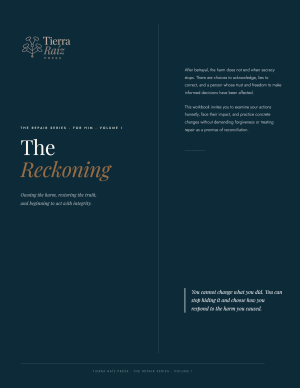
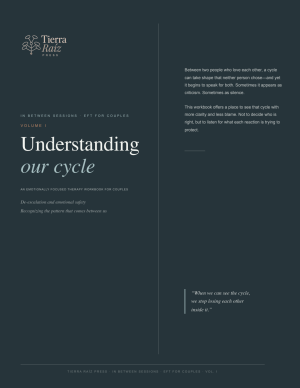
This workbook is designed for active engagement rather than passive reading. Its pages ask you to connect clinical ideas with specific moments, write down what you notice, practice between modules, and return with new information. The sample pages offer a closer view of that reflective, structured approach.
Educational material for personal reflection or use alongside therapy. It does not replace individualized clinical care, crisis support, or specialized guidance when safety or consent is at risk.


Workbook reader (shared anonymously) –
I was terrified when my wife found out about my pornography use. I had carried it in secret for years, and the shame made it very difficult to ask for help. Eventually, I spoke honestly with my therapist, and she recommended this workbook to help me continue the work between sessions. What I appreciated most was that it did not shame me or give me easy answers. It helped me understand my patterns, look honestly at my choices, and think about the kind of person I want to become. The material felt practical, respectful, and consistent with my values. It gave me structure at a time when I really needed direction.